Infection Control Cleaning for Calgary Healthcare Facilities
How IPAC-certified infection control cleaning protects Calgary healthcare facilities. Protocols, products, and best practices for medical environments.
The Critical Role of Environmental Cleaning in Infection Prevention
Healthcare-associated infections (HAIs) remain one of the most significant patient safety challenges in Canada. According to the Public Health Agency of Canada, an estimated 220,000 HAIs occur annually in Canadian healthcare facilities, resulting in approximately 8,000 deaths — more than car accidents.
Environmental cleaning is the frontline defence. Pathogens can survive on surfaces for hours, days, or even months. Clostridium difficile spores persist on surfaces for up to five months. MRSA can survive on stainless steel for weeks. Without proper infection control cleaning, healthcare facilities become reservoirs for preventable disease transmission.
Did You Know? Studies show that patients admitted to rooms where the prior occupant had an HAI face a 40% higher risk of acquiring the same infection — unless the room has been properly terminally cleaned.
What Makes Infection Control Cleaning Different
Standard commercial cleaning focuses on aesthetics: making spaces look clean. Infection control cleaning focuses on microbial reduction: making spaces actually safe. The distinction is fundamental, and it drives differences in every aspect of the cleaning process.
Key Differences from Standard Cleaning
| Aspect | Standard Commercial Cleaning | Infection Control Cleaning | |--------|------------------------------|---------------------------| | Goal | Visual cleanliness | Microbial reduction | | Products | General-purpose cleaners | DIN-registered, hospital-grade disinfectants | | Contact Time | Wipe and go | Mandatory wet contact time (1-10 min) | | Sequence | Clean as convenient | Clean before disinfect, low-risk to high-risk | | Documentation | Basic service records | Detailed cleaning logs, compliance records | | Training | General cleaning skills | IPAC certification, pathogen-specific protocols | | Verification | Visual inspection | ATP testing, fluorescent marker audits | | PPE | Basic gloves | Gloves, gowns, eye protection as indicated |
IPAC-Certified Cleaning Protocols for Calgary Facilities
IPAC (Infection Prevention and Control) certification ensures that cleaning professionals understand the science behind infection prevention and can apply evidence-based protocols in healthcare environments.
The IPAC Cleaning Framework
IPAC-certified cleaning follows a systematic framework that addresses every variable in the cleaning process:
1. Risk Assessment
Every space in a healthcare facility is assessed for infection risk. This determines:
- Cleaning frequency (how often)
- Disinfection level (what products and protocols)
- Monitoring requirements (how to verify)
2. Product Selection
All disinfectants must be:
- DIN-registered with Health Canada
- Hospital-grade or higher
- Effective against the pathogens of concern for that facility type
- Compatible with the surfaces being treated
3. Application Method
How disinfectants are applied matters as much as which products are used:
- Spray and wipe — Standard for most surfaces
- Immersion — For removable items requiring full contact
- Electrostatic spraying — For comprehensive coverage of complex surfaces
- Fogging/misting — For terminal disinfection of enclosed spaces (adjunct only, not a replacement for surface cleaning)
4. Contact Time
The Most Common Failure Point: Disinfectants only kill pathogens if they remain wet on the surface for the full manufacturer-specified contact time. Wiping a surface dry before this time elapses means the disinfection step was ineffective. This is the single most common compliance failure in healthcare cleaning.
5. Verification
Cleaning effectiveness must be verifiable through objective methods, not just visual inspection.
Healthcare Facility Types and Their Specific Requirements
Different healthcare settings in Calgary have distinct infection control cleaning needs:
Medical Clinics (Walk-In Clinics, Family Medicine)
Medical clinics see high patient volumes with varying infection risks. Key cleaning considerations:
- Exam rooms require disinfection between patients with focus on exam tables, blood pressure cuff holders, and otoscope/ophthalmoscope handles
- Waiting rooms need frequent high-touch surface disinfection (every 2-4 hours during clinic hours)
- Specimen collection areas require enhanced protocols similar to lab settings
- Common surfaces like pens, clipboards, and magazines should be minimized or regularly disinfected
Learn more about our medical facility cleaning services.
Dental Offices
Dental offices generate aerosols during procedures, creating unique contamination patterns:
- Operatories need between-patient and terminal cleaning with aerosol-aware protocols
- Sterilization areas require their own dedicated cleaning protocols
- Waterline management is a dental-specific concern that affects environmental cleaning
We cover dental-specific requirements in detail in our dental office cleaning compliance guide.
Physiotherapy and Chiropractic Clinics
These facilities have high skin-to-surface contact:
- Treatment tables and surfaces must be disinfected between every patient
- Exercise equipment requires regular disinfection protocols
- Hydrotherapy areas (if applicable) need specific water and surface management
Medical Spas and Aesthetic Clinics
These growing facilities often fall into a regulatory grey area:
- Any facility performing injectable treatments, laser procedures, or skin-penetrating services needs medical-grade cleaning
- Procedure rooms must meet the same standards as medical clinic exam rooms
- Product storage areas for injectables and medical devices require clean environments
Long-Term Care Facilities
Resident populations in these facilities are often immunocompromised:
- Resident rooms need daily cleaning with enhanced disinfection
- Common areas including dining rooms and activity spaces require frequent attention
- Outbreak protocols must be in place for rapid escalation during illness events
The Cleaning and Disinfection Process
Proper infection control cleaning follows a specific sequence. Skipping steps or changing the order compromises the entire process.
Step 1: Preparation
- Don appropriate PPE based on the risk level of the area
- Prepare fresh cleaning and disinfection solutions (never re-use solutions from a previous session)
- Gather colour-coded microfibre cloths (see colour-coding section below)
- Review any special instructions for the area (e.g., isolation precautions, outbreak protocols)
Step 2: Pre-Clean (Remove Soil)
- Remove visible soil, debris, and organic matter using detergent solution
- This step is critical — disinfectants cannot penetrate organic matter effectively
- Work from clean areas to dirty areas, from high surfaces to low surfaces
Step 3: Disinfect
- Apply hospital-grade disinfectant to all surfaces
- Ensure complete surface coverage — pooling is not necessary, but the surface must be uniformly wet
- Allow full contact time as specified by the product manufacturer
- Do NOT wipe dry before contact time has elapsed
Step 4: Dry and Inspect
- Allow surfaces to air dry if possible; if wiping is necessary, use a clean microfibre cloth
- Visually inspect all surfaces for missed areas or remaining soil
- Re-clean and re-disinfect any areas that do not pass inspection
Step 5: Document
- Record cleaning completion in facility cleaning log
- Note any issues, damage, or maintenance concerns observed during cleaning
- Initial and timestamp the log entry
Colour-Coded Cleaning System
IPAC standards recommend colour-coded cleaning systems to prevent cross-contamination between areas:
| Colour | Area | Rationale | |--------|------|-----------| | Red | Washrooms, toilets | Highest contamination risk | | Yellow | Clinical and patient-care areas | High infection risk surfaces | | Blue | General/common areas | Lower risk, general surfaces | | Green | Kitchen, food service | Separate from clinical contamination |
At ClearSky Cleaning, we use a strict colour-coded microfibre system across all healthcare facilities we service. Each colour is used exclusively in its designated area, and cloths are never transferred between zones.
High-Touch Surface Management
High-touch surfaces are the primary transmission route for contact-spread pathogens. In healthcare settings, these surfaces require more frequent disinfection than general environmental surfaces.
Priority High-Touch Surfaces in Healthcare Facilities
Alberta Regulatory Landscape
Healthcare cleaning in Alberta operates under several overlapping regulatory frameworks:
Alberta Health Services (AHS)
AHS publishes infection prevention and control standards that apply to all healthcare facilities in the province. Their environmental cleaning guidelines cover:
- Minimum cleaning frequencies by facility type and risk zone
- Required disinfectant specifications
- Staff training and competency requirements
- Outbreak response cleaning protocols
Alberta Occupational Health and Safety (OHS)
OHS requirements affect healthcare cleaning staff directly:
- WHMIS training for all chemical products used
- PPE requirements for cleaning staff
- Exposure limits for cleaning chemicals in healthcare environments
- Reporting requirements for needlestick or biological exposures during cleaning
Professional Regulatory Colleges
Each healthcare profession's regulatory college in Alberta (CPSA, ADAC, etc.) has its own environmental cleaning expectations for accreditation. Meeting these requirements is essential for maintaining practice licences.
Outbreak Response Cleaning
When an infection outbreak occurs in a healthcare facility, cleaning protocols must escalate immediately:
Enhanced Cleaning During Outbreaks
- Increased frequency — High-touch surfaces may need disinfection every 1-2 hours
- Product changes — Some outbreaks require specific disinfectant types (e.g., sporicidal agents for C. difficile)
- Expanded scope — Areas not normally included in routine cleaning may need attention
- Enhanced PPE — Staff may need upgraded protective equipment
- Dedicated equipment — Cleaning supplies should not leave the affected area
Outbreak Protocol: During a confirmed outbreak, never use the same cleaning cloths or equipment in affected and unaffected areas. Dedicate specific supplies to the outbreak zone and dispose of or launder them separately.
Post-Outbreak Terminal Cleaning
After an outbreak is declared over, a comprehensive terminal clean of all affected areas is required before returning to normal operations. This typically includes:
- Full surface disinfection with appropriate sporicidal or virucidal agents
- Soft furnishing assessment (may require steam cleaning or disposal)
- HVAC filter assessment
- ATP testing to verify cleaning effectiveness
Measuring Cleaning Effectiveness
Visual inspection alone is not sufficient for infection control cleaning. IPAC standards call for objective measurement of cleaning outcomes.
ATP Bioluminescence Testing
ATP testing provides immediate, quantitative results for surface cleanliness. A small swab collects a sample from a surface, and a luminometer measures the amount of ATP present (indicating biological material). Results are available in seconds.
We discuss ATP testing in detail in our cleaning verification guide.
Fluorescent Marker Audits
A fluorescent gel or lotion is applied to surfaces before cleaning. After cleaning, the surfaces are inspected under UV light. Any remaining fluorescent marks indicate areas that were not properly cleaned.
Direct Observation Audits
Trained observers watch cleaning staff perform their duties and evaluate compliance with protocols. This identifies technique issues that product testing alone cannot reveal.
Choosing an Infection Control Cleaning Provider in Calgary
Not all cleaning companies are equipped for healthcare environments. When evaluating providers for your Calgary healthcare facility, consider the following:
Essential Qualifications
- IPAC certification for all staff assigned to healthcare facilities
- Healthcare-specific experience with documented references
- Knowledge of Alberta regulatory requirements from AHS and relevant professional colleges
- DIN-registered product inventory with current SDS documentation
- Colour-coded cleaning system to prevent cross-contamination
- Documentation capabilities including digital cleaning logs
- ATP testing capability for objective verification
- Adequate insurance with healthcare-specific liability coverage
For a comprehensive guide on evaluating cleaning companies, see our post on how to choose a cleaning company in Calgary.
Cost Considerations for Healthcare Cleaning in Calgary
Infection control cleaning costs more than standard commercial cleaning. The premium reflects specialized training, hospital-grade products, longer cleaning times (due to contact time requirements), and documentation overhead.
Typical Calgary Healthcare Cleaning Costs
| Facility Type | Size | Estimated Monthly Cost | |---------------|------|----------------------| | Small medical clinic | Under 1,500 sq ft | $400 - $600 | | Medium medical clinic | 1,500 - 3,000 sq ft | $600 - $1,000 | | Large medical facility | 3,000+ sq ft | $1,000 - $2,000+ | | Dental office (3-5 operatories) | 1,500 - 2,500 sq ft | $500 - $1,200 | | Physiotherapy clinic | 1,000 - 2,500 sq ft | $400 - $800 |
These ranges assume daily terminal cleaning on clinical days. Facilities with extended hours, high patient volumes, or specialized requirements may fall at the higher end.
Frequently Asked Questions
What is the difference between cleaning and disinfecting in healthcare?
Cleaning removes visible soil, debris, and some microorganisms using detergent and water. Disinfecting kills remaining microorganisms using hospital-grade chemical agents. Both steps are required — disinfection alone is ineffective on visibly soiled surfaces. The proper sequence is always clean first, then disinfect.
How often should high-touch surfaces be disinfected in a healthcare facility?
At minimum, high-touch surfaces should be disinfected at least twice daily during operating hours, plus after any known contamination event. During outbreaks, frequency may increase to every 1-2 hours. Between-patient disinfection is required in all exam and treatment rooms.
Is IPAC certification mandatory for healthcare cleaning in Alberta?
While IPAC certification is not explicitly mandated by statute, Alberta Health Services standards require that cleaning staff in healthcare settings have documented infection prevention and control training. IPAC certification is the recognized standard that demonstrates this competency. Most regulatory inspections expect to see evidence of IPAC-level training.
Can regular commercial cleaners handle healthcare facility cleaning?
Standard commercial cleaning companies typically lack the specialized training, products, and protocols required for healthcare environments. Infection control cleaning requires understanding of microbiology, disinfection chemistry, and healthcare regulatory requirements that go beyond general cleaning competency.
What should we do if our cleaning provider misses something during an inspection?
Review your cleaning contract and service level agreement. A quality healthcare cleaning provider should have protocols for addressing inspection findings, including root cause analysis, retraining, and protocol adjustments. If your current provider cannot meet inspection requirements consistently, it may be time to evaluate IPAC-certified alternatives.
Infection control cleaning is not a luxury for Calgary healthcare facilities — it is a patient safety imperative and a regulatory requirement. ClearSky Cleaning provides IPAC-certified infection control cleaning services to medical clinics, dental offices, and healthcare facilities across Calgary and surrounding areas. Our team is trained in Alberta-specific regulatory requirements and uses hospital-grade products with documented protocols. Get a free quote to discuss your facility's infection control cleaning needs.
Ready to Experience the ClearSky Difference?
We're fully insured, IPAC-certified, and all our cleaners are background-checked. Get a free quote today.
ClearSky Cleaning Team
Calgary's trusted IPAC-certified cleaning professionals with 30 years of industry experience. We share expert tips to help you maintain a healthier home and workspace.
Learn about our teamGet Weekly Cleaning Tips
Join homeowners across Calgary who get our expert cleaning advice delivered to their inbox every week.
No spam. Unsubscribe anytime.
Related Articles
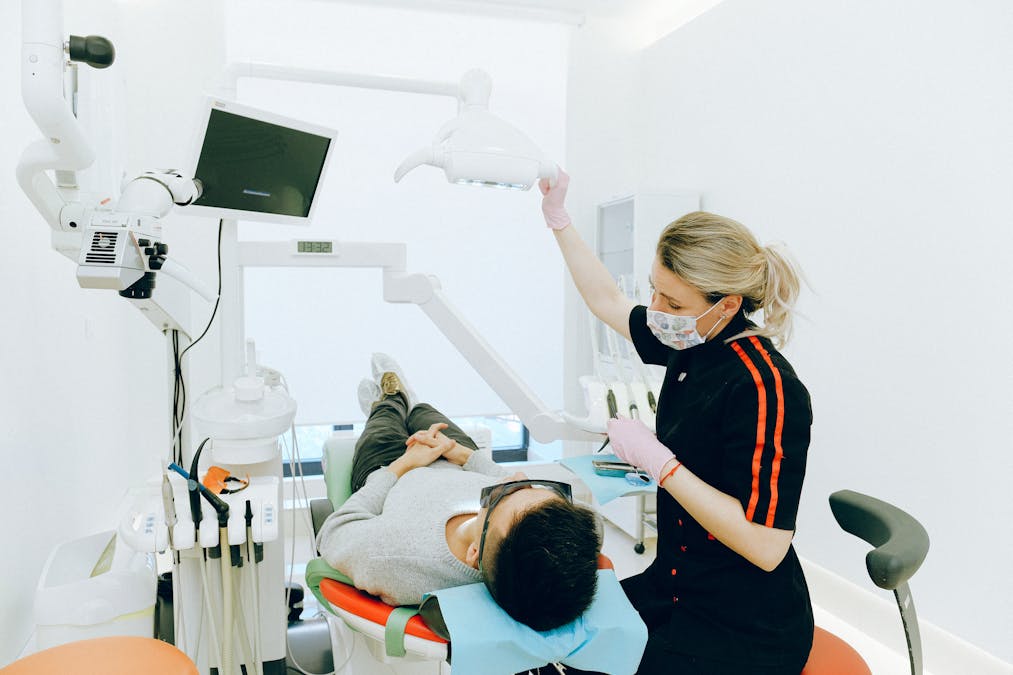
Dental Office Cleaning Compliance in Alberta: IPAC Standards Guide
Complete guide to dental office cleaning compliance in Alberta. IPAC standards, ADA requirements, operatory protocols, and infection control best practices.
ATP Testing: How We Verify Cleaning Effectiveness in Medical Facilities
Learn how ATP bioluminescence testing measures cleaning effectiveness in medical facilities. Objective, science-based verification for healthcare environments.
Medical Office Cleaning Standards in Alberta: IPAC Guidelines
Understanding IPAC-certified cleaning for medical facilities in Alberta. Learn about infection control standards, compliance requirements, and best practices.